

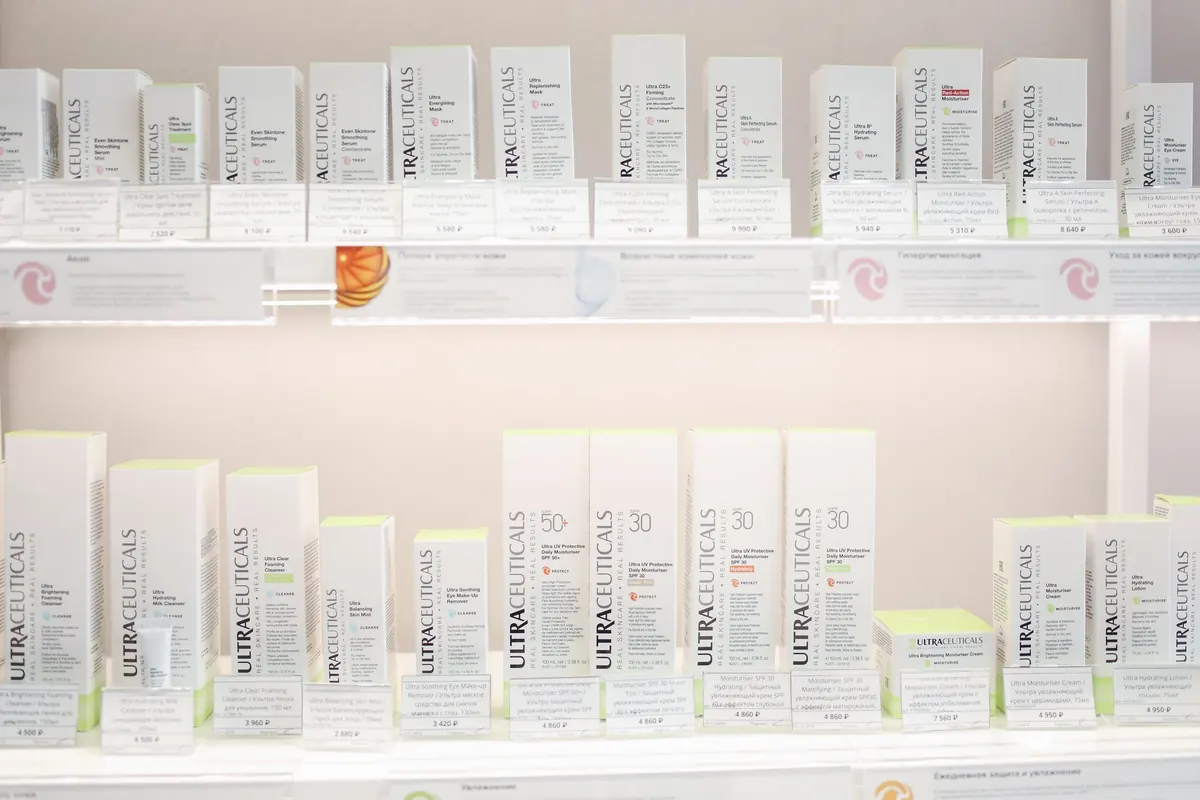
Polished doesn't mean piled on. The most reliable everyday routines are built from a handful of well-chosen products that work together, morning after morning. If your skin is sensitive, the UK's mix of damp winters, dry central heating, sudden sunny spells and city pollution can make the shelf feel like a minefield. The aim is simple: cleanse without stripping, hydrate without heaviness, protect against UV, and add just enough colour to look awake. Here are twelve essentials that earn their place.
The Skincare Foundation
Great makeup starts with skin that feels calm. Keep this layer small and consistent. If you are trying new actives, introduce one at a time and patch test behind the ear or jawline. For persistent redness, itching or breakouts, speak to a pharmacist, GP or dermatologist.
1. A gentle gel or cream cleanser
Choose a non-foaming or low-foaming formula that removes SPF, grime and light makeup without leaving skin tight. In winter, a cream cleanser suits most sensitive skins; in summer or for oilier skin, a mild gel works well. Use lukewarm water and clean hands. If you wear heavy makeup, a separate balm or micellar water first step can help, but keep the second cleanse gentle. A good test is how your skin feels ten minutes after drying: comfortable and soft, not squeaky or tight.
2. A hydrating toner or essence
Not essential for everyone, but useful if your skin feels tight after cleansing. Look for glycerin, panthenol or simple hydrators. Apply with palms, press in, and follow immediately with moisturiser. Avoid anything with high alcohol if your skin is reactive. Think of this step as a drink of water before you seal everything in.
3. An antioxidant serum
A vitamin C serum in the morning can brighten and support skin against daily environmental stress, but sensitive skins may prefer a gentler derivative or a lower percentage. Start two or three mornings a week. If it stings, reduce frequency. Niacinamide is another good option for oil control and barrier support; it suits many sensitive skins, though very high percentages can tingle. Look for formulas that list the active near the top of the ingredients but also include soothing companions such as aloe, oat or bisabolol.
4. A barrier moisturiser
The UK climate asks for flexibility. A lightweight lotion is enough in humid summer; a richer cream with ceramides or squalane helps in cold winds and heated rooms. Apply while skin is still slightly damp to lock in water. This is the step that makes makeup sit better. If your skin is very dry, a thin layer of facial oil over the top at night can help, but keep it simple if you are prone to congestion.
5. A broad-spectrum SPF 30 or 50
This is the non-negotiable. UV reaches through cloud, and UVA is fairly constant year-round. Choose a facial sunscreen you actually enjoy wearing: a fluid, cream or tinted formula. Use two finger lengths for face and neck, and reapply through the day if you are outside. If you have rosacea or melasma, a high-factor, mineral or hybrid formula may be kinder. If sun sensitivity is severe or you notice changing moles, seek medical advice. Don't forget ears, hairline and the backs of your hands, which are often the first places to show age spots.
The Complexion Layer
6. A tinted moisturiser or light foundation
For everyday polish, sheer coverage evens tone without masking skin. A tinted moisturiser with SPF is convenient, but do not rely on it for full sun protection. Match to your jawline in daylight, not shop lighting. Apply with fingers for speed, or a damp sponge for a softer finish. If you prefer more coverage, a buildable light foundation applied with a brush and then pressed in with a sponge gives a natural, skin-like result.
7. A creamy concealer
One shade for under-eyes and blemishes is enough for most. Peach tones can help neutralise blue under-eye circles; a shade closer to your skin covers redness. Tap, don't rub. Set only where you crease, usually with a light dusting of translucent powder. For blemishes, a slightly drier, more pigmented formula will stay put better than a hydrating under-eye concealer.
8. A cream blush or bronzer
Cream formulas melt into skin and look natural on dry or mature skin. A soft rose, berry or coral blush adds life in seconds. Bronzer, used lightly on the high points of the face, gives a healthy look without sun damage. If you have oily skin, you can set a cream blush with a matching powder blush for extra staying power. For a quick monochromatic look, tap the same cream blush onto your lips and blend with a fingertip.
The Eyes, Lips and Finishing Touches
These are the steps that take a routine from "done" to "polished" without adding clutter. Keep them minimal and fast, and choose formulas that are kind to sensitive eyes and lips.
9. A brow gel or pencil
Brows frame the face, and a minute spent here makes a surprising difference. A clear or tinted brow gel keeps hairs in place; a fine pencil fills sparse areas with short, hair-like strokes. Choose a shade slightly lighter than your hair colour for a softer look. If your brows are very sparse or you have skin concerns around the brow area, avoid heavy waxes and opt for a gentle gel.
10. A lengthening or volumising mascara
Mascara opens the eyes and finishes the face. For sensitive eyes, choose a fragrance-free, ophthalmologist-tested formula. If you wear contact lenses, look for a smudge-resistant but easy-to-remove option. Curl lashes first if you like, then wiggle the wand at the roots and sweep out. Replace mascara every three months, or sooner if it dries out or irritates your eyes.
11. A tinted lip balm or satin lipstick
A wash of colour on the lips pulls everything together. A tinted balm is forgiving and easy to reapply without a mirror; a satin lipstick gives slightly more definition for meetings or evenings. A rosy nude or soft berry suits most skin tones. If your lips are dry or flaky, apply a plain balm first, wait a minute, then add colour. Avoid long-wearing matte formulas if your lips are prone to cracking.
12. A setting spray or blotting papers
For a long day, a fine mist of setting spray helps makeup meld with skin and last longer. If you get shiny in the T-zone, keep blotting papers in your bag and press them gently over the oil—rubbing can disturb makeup and irritate skin. This is especially useful if you commute on a busy train or spend the day in air conditioning. A small tin of translucent powder also works, but use a light hand to avoid a cakey finish.
How to Build Your Routine
Order matters more than the number of products. In the morning, apply skincare from thinnest to thickest: cleanser, toner, antioxidant serum, moisturiser, then SPF. Once the SPF has settled, add complexion products, then colour. In the evening, remove makeup and SPF thoroughly, cleanse again if needed, apply any treatment, and finish with moisturiser. You do not need every product every day. Start with the basics and add extras only when your skin is stable.
If you have sensitive skin, build a "core four": a gentle cleanser, a barrier moisturiser, a broad-spectrum SPF and a plain lip balm. Once those are working, add one new product at a time and give it a week or two before judging. Keep a note of what you used and when, especially if you are prone to reactions.
- Morning: gentle cleanse, moisturiser, SPF, then tinted moisturiser, concealer, cream blush, brow gel, mascara, lip balm.
- Evening: remove makeup and SPF, cleanse, treat if needed, moisturise.
- Weekly: wash brushes and sponges, check expiry dates, and review whether your skin still feels comfortable.
Adapting Through the Year
Your shelf should shift with the seasons, not just with trends. In winter, swap a foaming cleanser for a cream one, add a richer moisturiser, and consider a hydrating serum before your SPF. In summer, a lighter lotion and a more fluid sunscreen may be enough. Central heating and air conditioning both dry the skin, so a hydrating mist or a second layer of moisturiser at night can help. If you are outdoors for long periods, reapply SPF every two hours and wear a hat.
Sensitive skin rarely needs more products; it usually needs fewer, gentler ones used consistently. If something stings, stop it first and simplify.
If you notice persistent redness, swelling, itching or breakouts that do not settle, speak to a pharmacist, GP or dermatologist. A polished routine should support your skin, not fight it.
Final Thoughts
Twelve essentials, one simple goal: skin that feels calm, protection that works every day, and just enough colour to look awake. You do not need to use all twelve every morning. Pick the ones that suit your skin and lifestyle, keep them clean and in date, and let consistency do the rest. A polished everyday routine is not about perfection; it is about feeling comfortable in your own skin, one morning at a time.
Photo: Polina Tankilevitch / Pexels